Driving dynamics
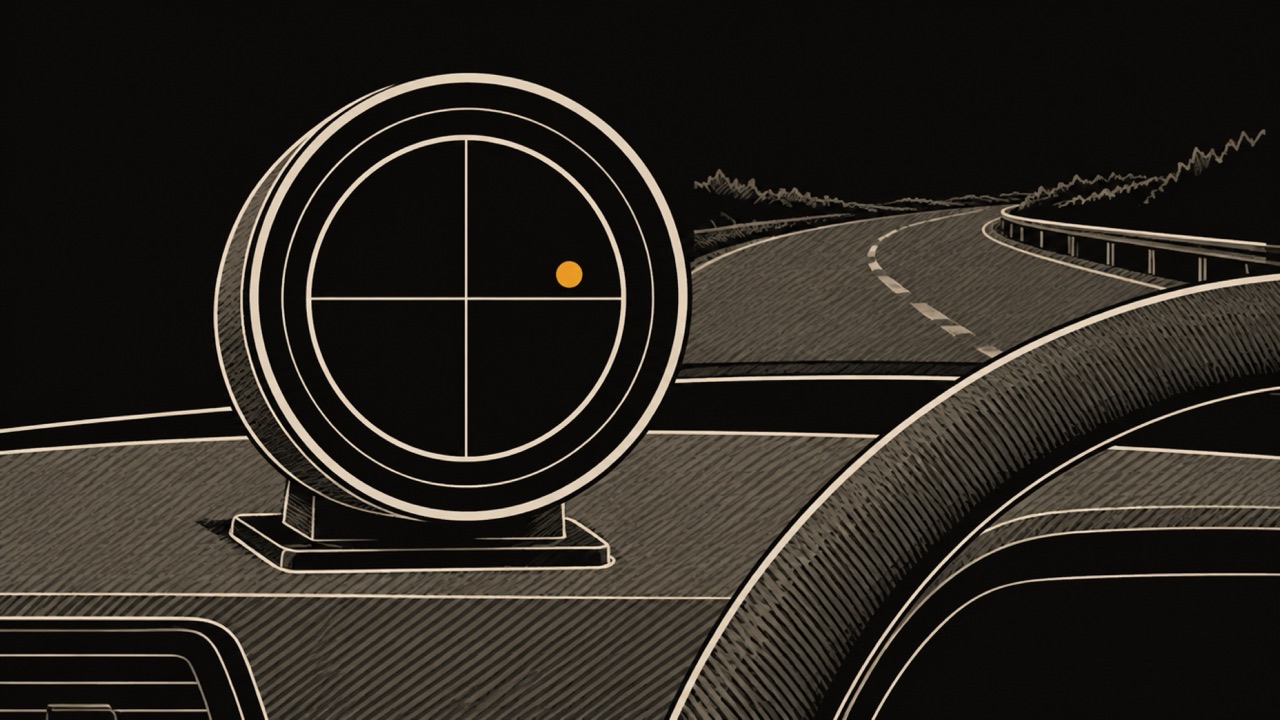
G force meter for cars: what it measures
What a g force meter for cars reads, how to calculate g yourself, and how many g normal driving, a sports car and Formula One really pull.
Insurance
Usage-based insurance is car insurance priced partly on data collected while you drive: the miles you cover, the time of day, hard braking, rapid acceleration, cornering, speed and phone use, gathered by a smartphone app, a plug-in device or the car's own connected services. Safe, light drivers can save: Progressive says Snapshot drivers who save average $328 a year, and State Farm advertises up to 30%. Both also say a premium can rise.
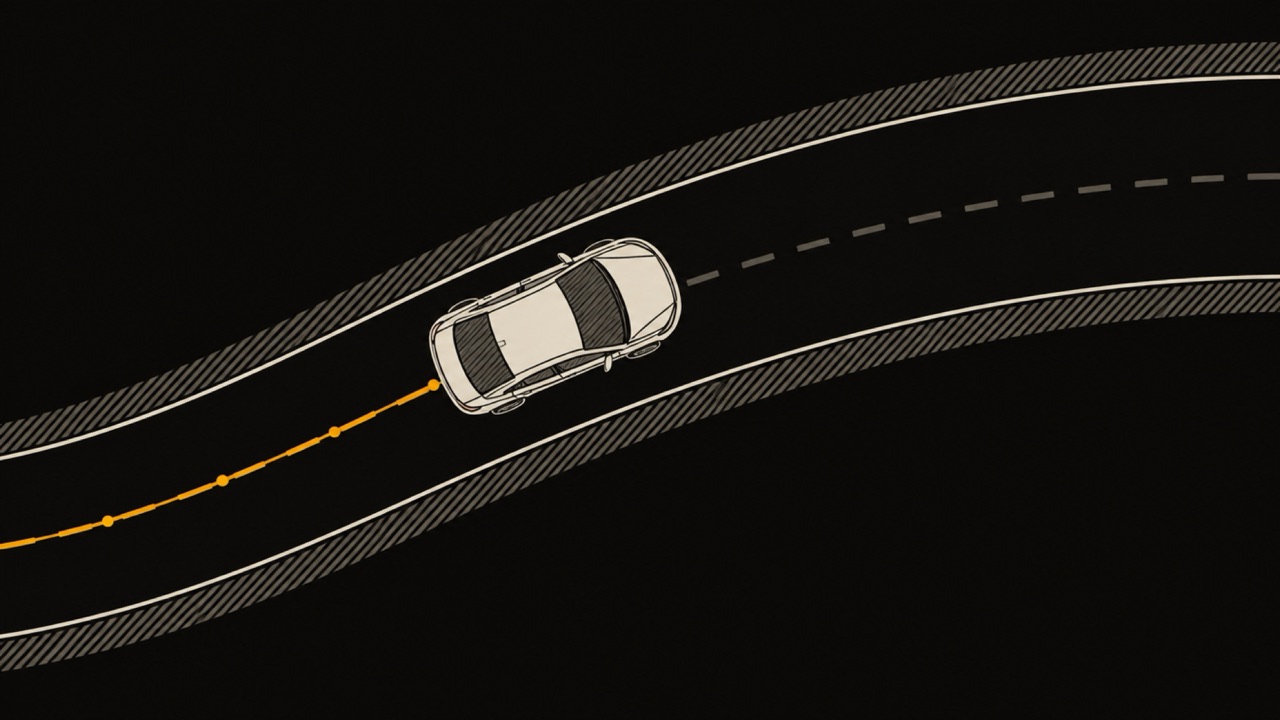
Usage-based insurance, often called telematics insurance, is auto insurance that uses data about how, how much and when you drive to set part of the premium. Traditional pricing relies on factors such as your driving record, a credit-based insurance score, the type of vehicle and where it is garaged, as the NAIC explains. Usage-based insurance adds your measured driving on top of those factors rather than replacing them.
Usage-based insurance comes in two broad forms. Pay-as-you-drive (PAYD) prices the policy mainly on how much the vehicle is driven, so it is close to a per-mile policy. Pay-how-you-drive (PHYD) adds sensors such as accelerometers to judge driving behavior as well as distance, according to the Wikipedia entry on usage-based insurance.
Usage-based insurance programs track a short list of signals that regulators publish openly. The NAIC and Washington's Office of the Insurance Commissioner both name miles driven, time of day, where the vehicle is driven, rapid acceleration, hard braking, hard cornering and airbag deployment. The NAIC adds cell phone use, and State Farm says its program also watches speed. Each program combines these differently, and none publishes its full scoring formula.
Hard braking, rapid acceleration and cornering are all forces a phone can measure with its accelerometer, gyroscope and GPS. The article on how a phone measures braking and cornering forces explains what those sensors see and why a roundabout is not a sharp corner.
| Signal | What it means | Named by | Why it matters |
|---|---|---|---|
| Miles driven | Total distance over the monitoring period | NAIC, Washington OIC, State Farm | More miles means more exposure to a crash, so fewer miles usually price lower |
| Time of day | When the trips happen | NAIC, Washington OIC | Washington's commissioner expects daytime driving to cost less |
| Where you drive | The vehicle's location along the trip | NAIC, Washington OIC | Location is the most sensitive item for privacy |
| Hard braking | Sudden drops in speed | NAIC, Washington OIC, State Farm | Frequent hard stops suggest following too closely or late reactions |
| Rapid acceleration | Sudden gains in speed | NAIC, Washington OIC, State Farm | Read as aggressive driving |
| Cornering | Taking turns too fast | NAIC, Washington OIC, State Farm | High lateral force is read as risky handling |
| Speed | Speed against the posted limit | State Farm | State Farm alerts at 8 mph or more over the limit |
| Phone use | Handling the phone while the car moves | NAIC, State Farm | Distraction is a direct crash risk |
| Airbag deployment | A crash event | NAIC, Washington OIC | Can speed up accident response |
Sources: NAIC (updated March 2025), Washington OIC, State Farm, opened November 2026.
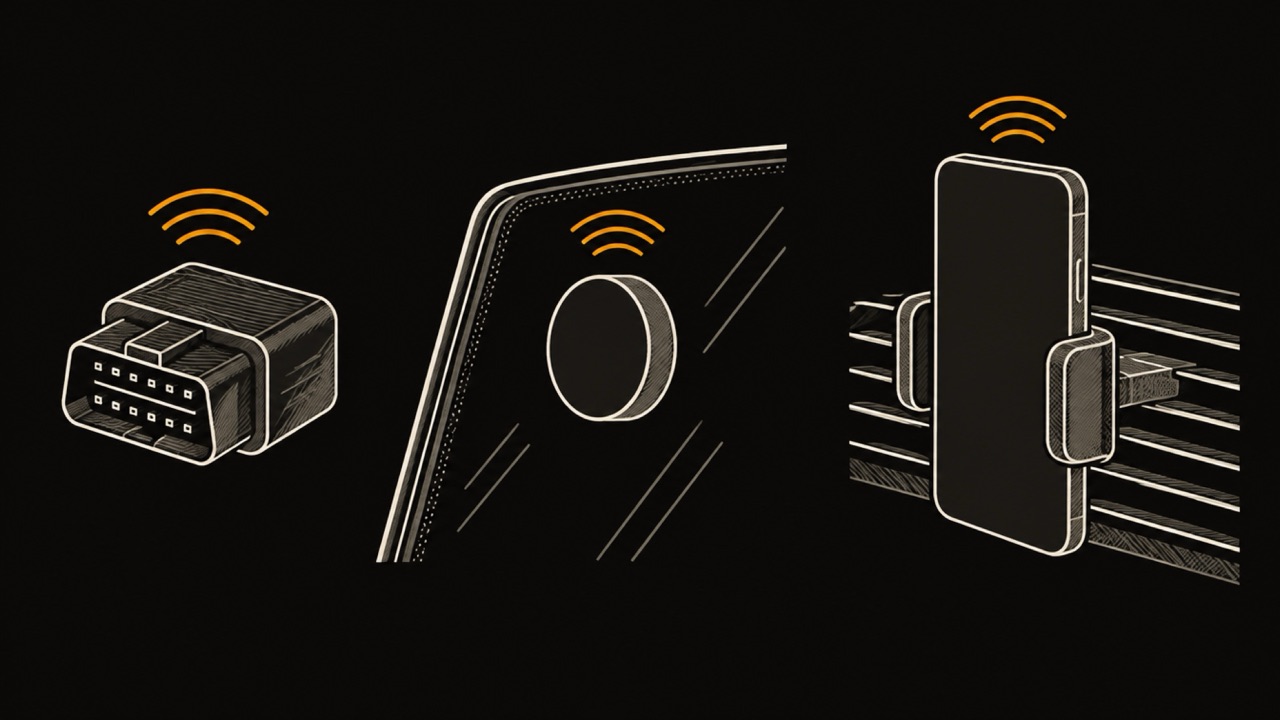
Insurers collect usage-based insurance data in four ways. A smartphone app records trips with the phone's own sensors. A small device plugged into the car's diagnostic port reads the drive directly; Progressive says driving is typically measured with either a plug-in device or a mobile app. A Bluetooth beacon stuck to the windshield ties the phone to one car, which is how State Farm's Drive Safe & Save works. Finally, embedded technology in a connected car can send data without any app at all.
The collection method decides how much the insurer sees. An app sees phone handling, because it runs on the phone. A plug-in device sees only the car. Connected-car data is the least visible to the driver: it is collected by the car maker's own services, sometimes under terms accepted at the dealership, which is how the GM and OnStar case described below began.
Usage based car insurance saves money for drivers whose habits look low-risk, and regulators stop there. Neither the NAIC nor Washington's insurance commissioner publishes a percentage. Both say short, slow driving will probably cost less than long, high-speed driving, Washington adds daytime driving to that profile, and both say not every driver will qualify for a discount.
The figures that exist come from insurers about their own programs. Progressive's $328 is an average across drivers who saved, not across everyone who enrolled. State Farm's 30% is an advertised figure that varies by state, on top of a 10% discount for signing up, and the discount is recalculated at each renewal. Read both as the best case, and compare them with what each mile costs you in fuel and wear.
| Program | What the insurer says you can save | Can the premium rise? | What it is based on |
|---|---|---|---|
| Progressive Snapshot | Drivers who save average $328 a year | Yes, after high-risk driving | How, how much and when you drive |
| State Farm Drive Safe & Save | 10% for signing up, up to 30% advertised, varies by state | Yes, may increase or decrease at each renewal | State Farm app and Bluetooth beacon |
Sources: Progressive (updated August 15, 2023) and State Farm (opened November 2026). Neither program is offered in California.
Yes, usage-based insurance can raise your rates, and every insurer and regulator page opened for this article says so. The NAIC warns that it "can also lead to higher premiums" despite advertising built on discounts. Washington's insurance commissioner says premiums may go up or down depending on your driving behavior.
The insurers say the same about their own programs. Progressive writes that a rate could increase as a result of high-risk driving. State Farm says premiums may increase or decrease at each renewal, and that a driver with a low-mileage discount who drives more than 7,500 miles a year for personal use may see the premium rise.
Your usage-based insurance data goes to the insurer, and what happens next depends on its terms. Regulators flag two things to check first. The NAIC says to make sure you trust the insurer with your information, and Washington's commissioner suggests asking whether you can decide if device data is used after an accident. State Farm states on its program page that it does not sell your information.
Data collected by the car itself has already left drivers' hands. GM and OnStar collected precise location and driving behavior and sold it to the data brokers LexisNexis and Verisk, TechCrunch reported; GM ended its Smart Driver program in April 2024. A consumer reporting agency is a company that compiles files on people for decisions such as insurance pricing.
The Federal Trade Commission finalized its order against GM and OnStar on January 14, 2026, according to Parker Poe. For five years GM may not share covered driver data with consumer reporting agencies, it must get separate, explicit consent for each feature that collects that data, and it must let consumers request a copy of their data or its deletion. Some terms run for 20 years.
Usage-based insurance is not offered the same way in every state, and California is the clearest exception. The California Code of Regulations, section 2632.5, lets an insurer use a technological device only to determine actual miles driven, forbids collecting or storing the vehicle's location outside emergency, theft, map and travel services, and keeps the device voluntary. Behavior-based scoring has no place in that rule.
Availability also varies by insurer. Progressive notes that Snapshot is not available in California, and State Farm lists Drive Safe & Save as unavailable in California and Rhode Island. Before comparing quotes, check that the program exists in your state and for your type of vehicle.
The advantages of usage based insurance and its downsides come from the same fact: the premium follows your measured driving. A driver with low mileage, little night driving and smooth stops is rewarded. A driver who brakes hard in heavy traffic or works late shifts may not be, whatever their crash record says.
You can check your own driving before enrolling by recording it yourself for two weeks and looking at the same signals an insurer would. Count your monthly miles, note how often you drive late at night, and look at how many hard stops and sharp accelerations each trip contains. Your counts will not match any insurer's thresholds, but the trend tells you whether a behavior-based program is likely to help you or cost you.
WrenchTime, an iPhone app for car and motorcycle logs, records trips automatically and counts braking, acceleration and cornering events on each one, with peak G-force. The trips stay on your phone and in your own iCloud: the app has no account, scores nobody and sends nothing to an insurer. The guide to automatic mileage tracking explains how detection starts without a tap.
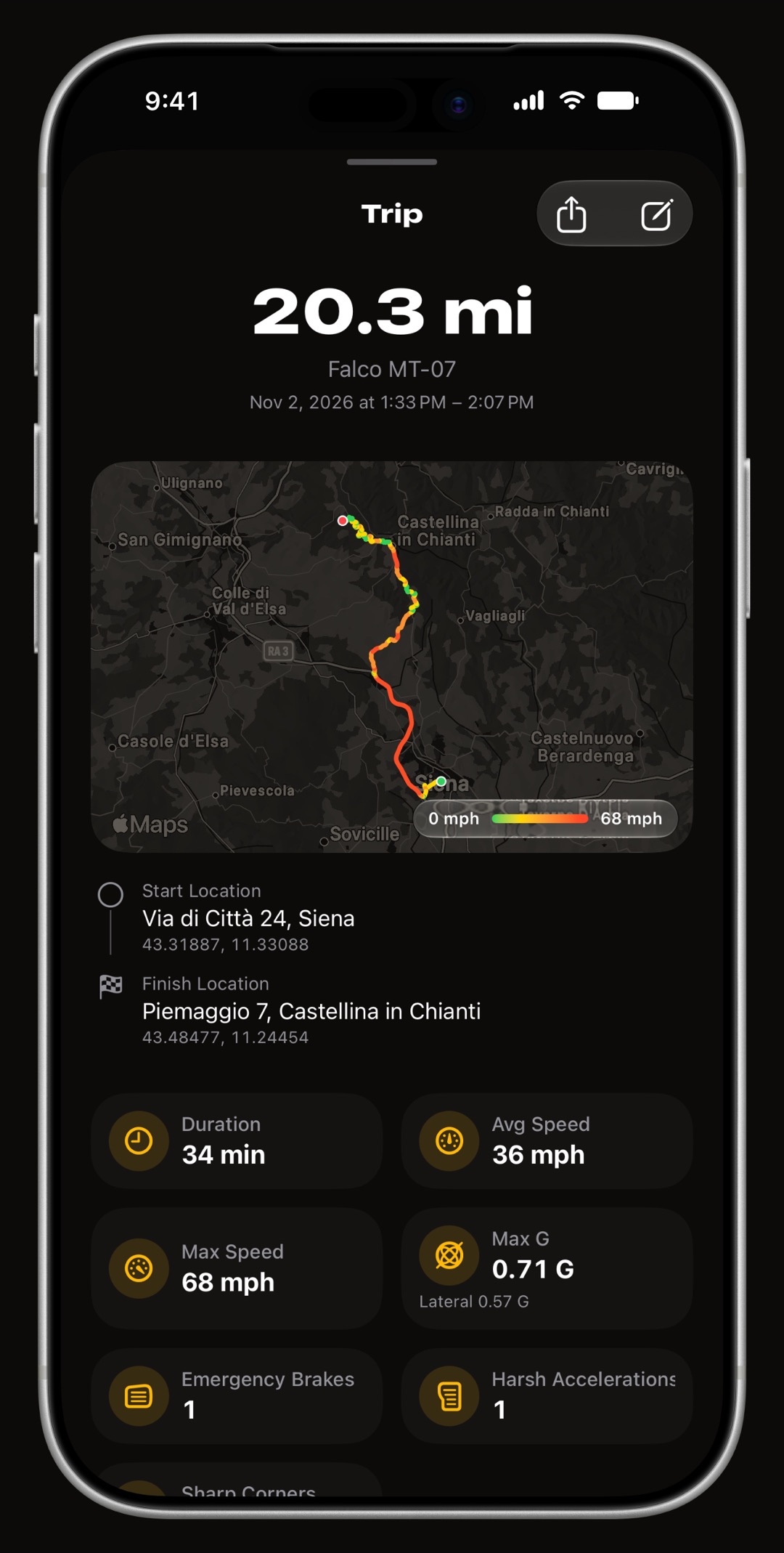
Record a few weeks of driving with WrenchTime before you decide on a usage-based policy. Trips start on their own when your phone connects to the car or detects driving, and each one keeps its distance, speeds and counted braking, acceleration and cornering events. The free version covers 1 vehicle and 10 recorded trips a week; the guide to automatic mileage tracking shows how it works.
Usage-based insurance is car insurance priced partly on data collected while you drive, such as miles, time of day, hard braking and phone use. Pay-as-you-drive versions charge mainly by distance; pay-how-you-drive versions also score behavior. An app, a plug-in device or the car itself collects the data.
Yes. Progressive says a rate could increase as a result of high-risk driving, State Farm says premiums may increase or decrease at each renewal, and Washington's insurance commissioner says premiums may go up or down with your driving. Ask your insurer how it treats poor scores before enrolling.
Many programs can. The NAIC and Washington's insurance commissioner both list where the vehicle is driven among the data collected. California is the exception: its regulation lets a device collect only actual miles driven and forbids collecting or storing the vehicle's location.
It is most likely worth it for drivers with low mileage, little late-night driving and few hard stops, the profile insurers reward. Progressive reports that Snapshot drivers who save average $328 a year. Drivers who brake hard or drive long distances at night risk no discount or a higher premium.
Only in a limited form. California regulation allows a device to record actual miles driven and nothing about location, and keeps the device voluntary. Progressive Snapshot and State Farm Drive Safe & Save are not offered in California, according to both insurers.
More from the blog
Driving dynamics
What a g force meter for cars reads, how to calculate g yourself, and how many g normal driving, a sports car and Formula One really pull.
Mileage
MileIQ, Everlance, TripLog, Driversnote, Stride and WrenchTime compared on free limits, prices, how a trip starts on its own, and what each one is for.
Running costs
AAA's 2026 average is about 86 cents a mile. What it includes, the formula for your own car, and why the figure moves with mileage, vehicle type and powertrain.
Free to download. One vehicle, real features, no ads. Your garage will thank you.
Download WrenchTime on the App Store