OBD2
I/M readiness: the OBD2 monitors list
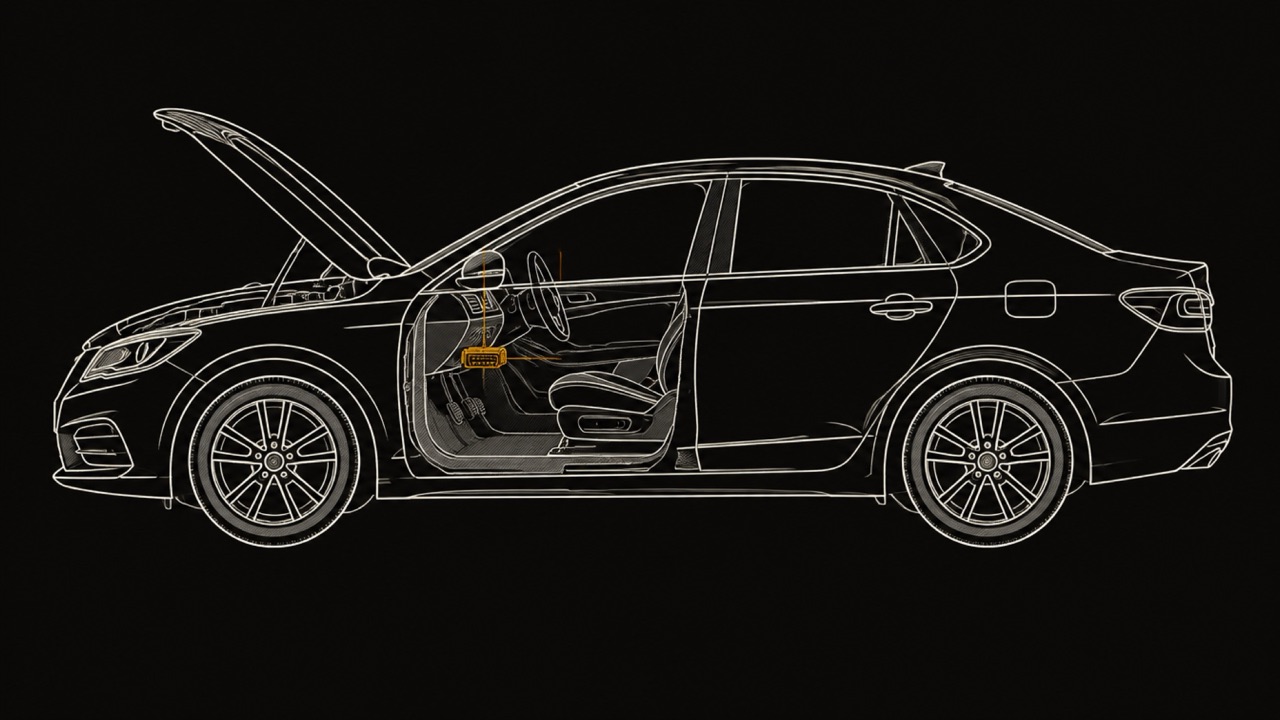
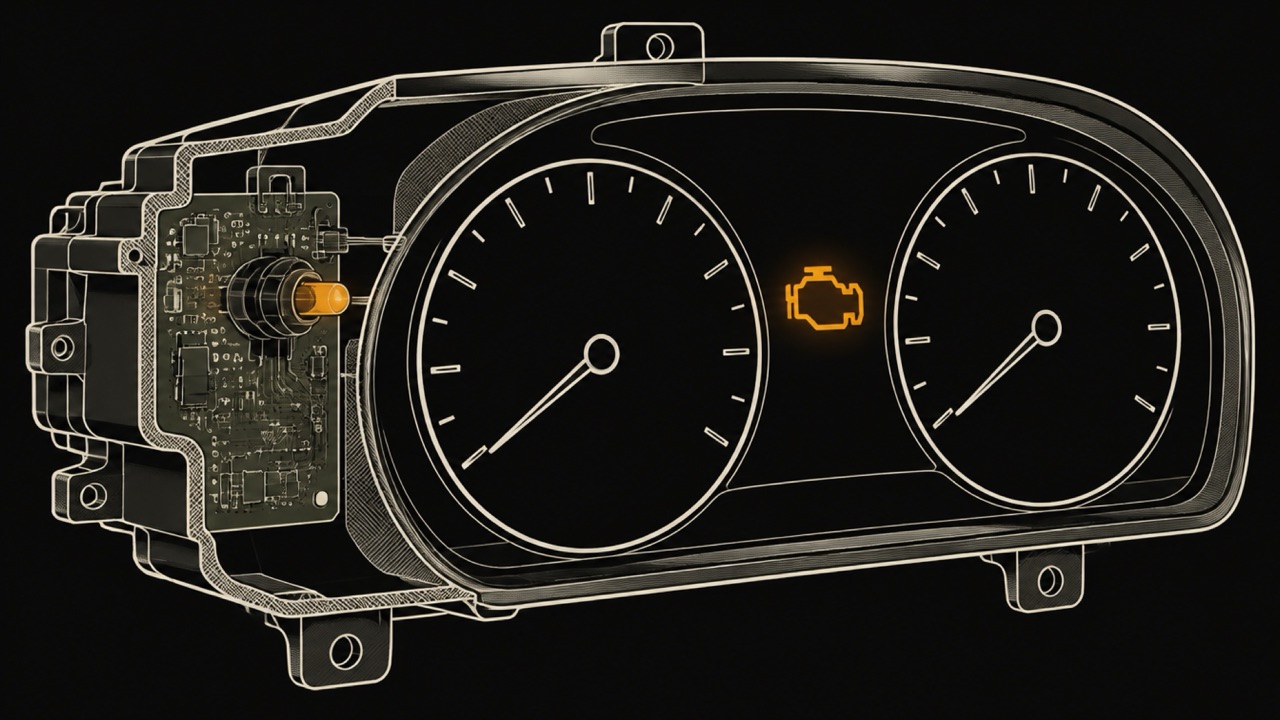
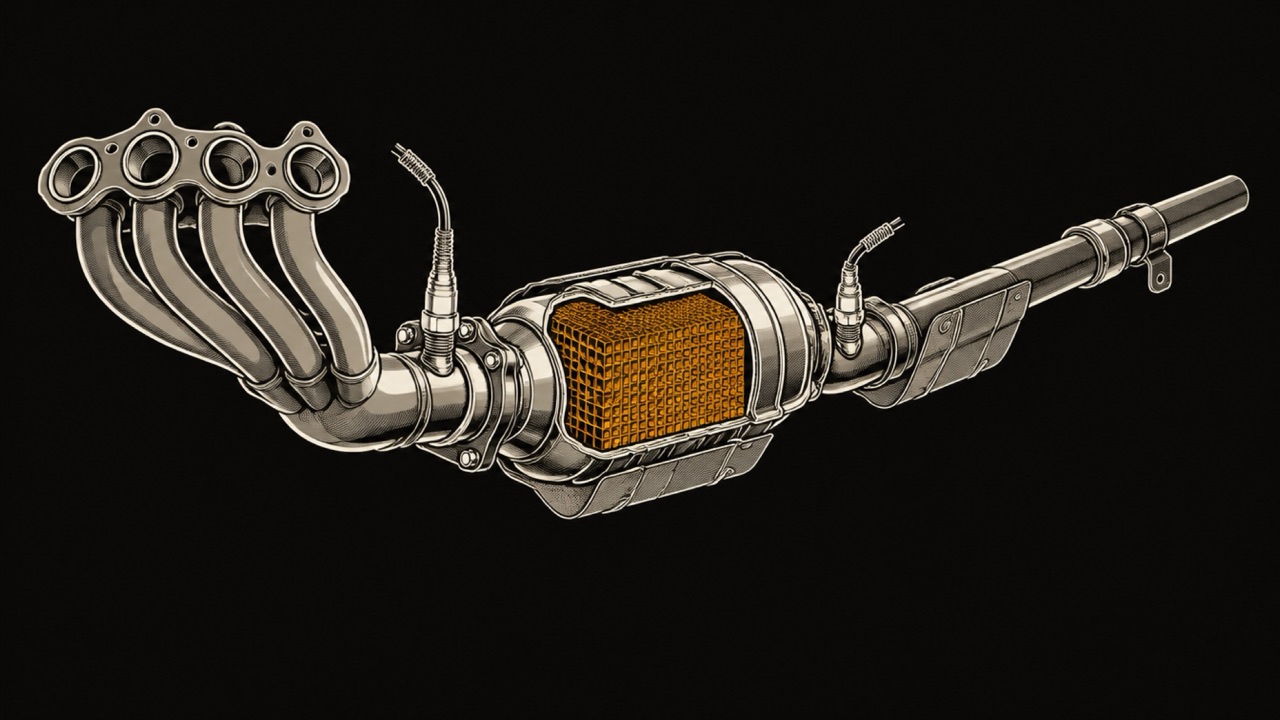
What I/M readiness means on a scanner, every OBD2 readiness monitor and what it checks, how many can be incomplete at an emissions test, and the drive cycles that set them.
Inspections
About a dozen US states still require a periodic safety inspection for private cars, among them New York, Pennsylvania, Virginia, Massachusetts and North Carolina, and about two dozen require emissions (smog) tests, statewide or only in polluted metro areas. The list keeps shrinking: Texas dropped safety inspections for non-commercial vehicles on January 1, 2025, Louisiana ends its sticker for personal vehicles on January 1, 2027, and New Hampshire's repeal was still being fought in federal court in February 2026. Around twenty states have no periodic inspection at all.
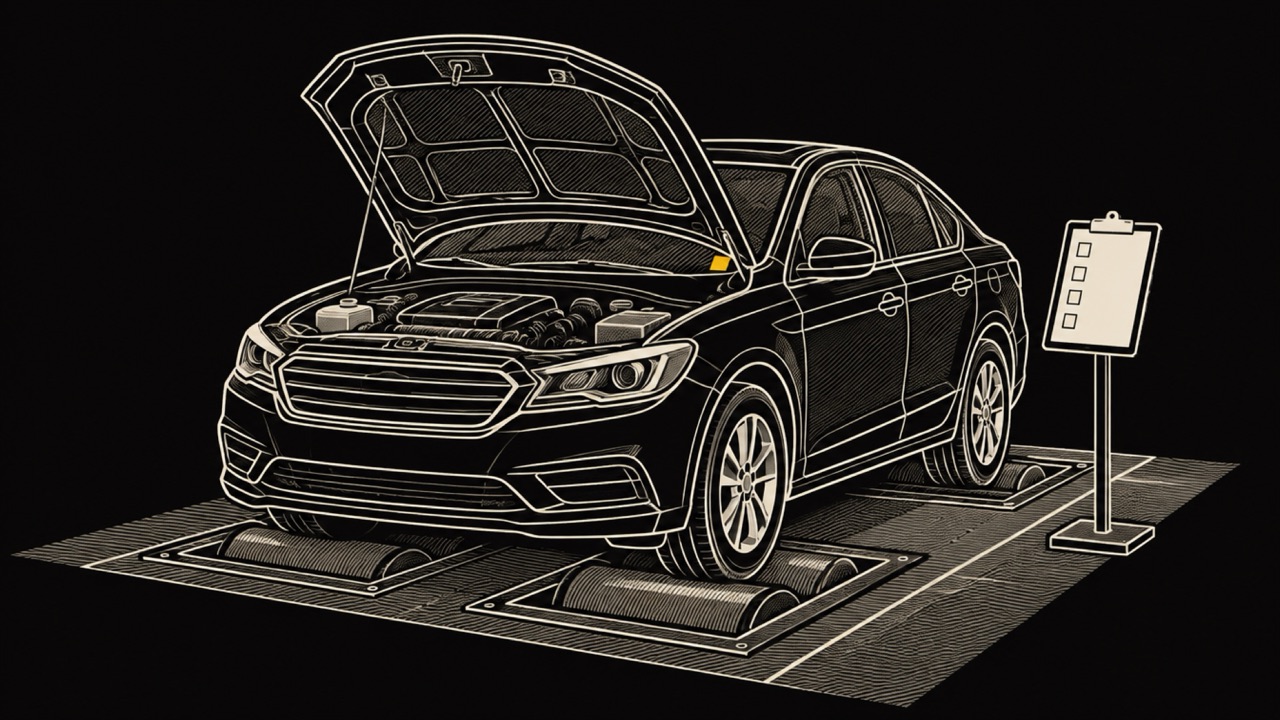
Three kinds of state check exist. A safety inspection is a licensed station looking at brakes, tires, lights, steering and glass. An emissions (smog) test checks what the car puts out, and on most 1996 and newer cars it reads the onboard diagnostics instead of the tailpipe. A VIN verification only confirms the vehicle identification number, usually when a car arrives from another state. A state can require one, two, all three or none.
What states require vehicle inspections for safety? Wikipedia's state-by-state table (edited November 2026) lists the states below with a periodic safety program. The proof that the list is moving is in the same article: its text counts twelve safety states while its table has more rows, because Louisiana and New Jersey are listed with exceptions. That is why this page says about a dozen and lets the table carry the detail.
New Jersey is the clearest case. The New Jersey Motor Vehicle Commission says vehicles are inspected once every two years and new vehicles get a five-year inspection, while Wikipedia records that passenger cars have been exempt from the safety part since August 1, 2010, so a private car in New Jersey goes in for emissions.
| State | Safety inspection | Emissions test | Note |
|---|---|---|---|
| Delaware | Every two years | Statewide, every two years | No exception listed |
| Hawaii | Every year | None | No exception listed |
| Louisiana | Every year or two | Baton Rouge area | Personal vehicles exempt from Jan 1, 2027; no citations for a missing sticker alone from June 30, 2026 |
| Maine | Every year | Cumberland County | No exception listed |
| Massachusetts | Every year | Statewide, every year | No exception listed |
| Missouri | Every two years | St. Louis area | No exception listed |
| New Jersey | Passenger cars exempt since 2010 | Statewide, every two years | New vehicles first inspected after five years |
| New York | Every year | Statewide, every year | At least every 12 months and before the sticker expires |
| North Carolina | Every year | Some counties | No exception listed |
| Pennsylvania | Every year | Some counties | No exception listed |
| Rhode Island | Every two years | Statewide, every two years | No exception listed |
| Vermont | Every year | Statewide, every year | No exception listed |
| Virginia | Every year | Northern Virginia | Maximum fee $20 for a car |
| West Virginia | Every two years | None | No exception listed |
Sources: Wikipedia (edited November 9, 2026), the NJ MVC, the NY DMV, the Virginia State Police and the Webster Parish Journal (Louisiana).
What states require emissions testing statewide? Seven, according to Wikipedia: Connecticut, Delaware, Massachusetts, New Jersey, New York, Rhode Island and Vermont. Many more test only cars registered in heavily polluted areas, usually a big metro region and its counties, which brings the total to about two dozen states with some form of emissions test.
California tests by zip code, in some areas of most of its counties according to Wikipedia. The California Bureau of Automotive Repair requires a smog check every other year to renew registration, but gasoline, hybrid and alternative-fuel vehicles eight model years old and newer skip it and pay a smog abatement fee instead. Electric vehicles, motorcycles, gasoline cars of model year 1975 and older and diesels of model year 1997 and older are exempt.
Texas runs its test by county. The Texas DMV lists eighteen counties where a non-commercial vehicle needs a passing emissions inspection before registration: Bexar, Brazoria, Collin, Dallas, Denton, El Paso, Ellis, Fort Bend, Galveston, Harris, Johnson, Kaufman, Montgomery, Parker, Rockwall, Tarrant, Travis and Williamson.
Most of these tests plug into the car rather than measure the exhaust. In New York, the NY DMV says the OBD II inspection covers most 1996 and newer gasoline vehicles and most 1997 and newer diesels under 8,501 pounds GVWR, checks that the check engine light works and verifies the results of the car's own emissions self-tests, the OBD2 readiness monitors.
| State | Where emissions tests apply |
|---|---|
| Arizona | Phoenix and Tucson metro areas |
| California | Some zip codes in most counties; every other year at registration |
| Colorado | Some counties |
| Georgia | Atlanta metro area |
| Illinois | Chicago and St. Louis metro areas |
| Indiana | Lake and Porter counties |
| Louisiana | Baton Rouge area |
| Maine | Cumberland County |
| Maryland | Most counties and Baltimore |
| Missouri | St. Louis metro area |
| Nevada | Urban Clark and Washoe counties |
| New Mexico | Bernalillo County |
| North Carolina | Some counties |
| Ohio | Cleveland metro area |
| Oregon | Portland and Medford metro areas |
| Pennsylvania | Some counties |
| Texas | Listed counties, before registration |
| Utah | Some counties |
| Virginia | Northern Virginia |
| Wisconsin | Some counties |
Sources: Wikipedia (edited November 9, 2026), the California BAR and the Texas DMV.
What states do not require vehicle inspections? Wikipedia's table (edited November 2026) lists around twenty states with no periodic safety or emissions inspection: Alabama, Alaska, Arkansas, Florida, Idaho, Iowa, Kansas, Kentucky, Michigan, Minnesota, Mississippi, Montana, Nebraska, New Hampshire, North Dakota, Oklahoma, South Carolina, South Dakota, Tennessee, Washington and Wyoming.
No inspection does not always mean no visit. Several of these states, including Florida, Kansas, Kentucky, Oklahoma and Wyoming, still require a VIN inspection when you register a car that comes from another state. Idaho, Tennessee and Washington used to test emissions and have ended those programs, so an older guide may still list them.
New Hampshire is on the list with an asterisk of its own. As of the last dated report, from February 2026, its repeal of inspections was in federal court and the state and the court disagreed on whether the program was running (see the next section). A New Hampshire driver should check the state's Division of Motor Vehicles before letting a sticker lapse.
Four states changed or tried to change their rules between 2025 and 2027, and every one of them still leaves some vehicles or some tests in place. The dates below come from the state agency where one was opened, and from local reporting otherwise.
A state safety inspection checks the parts that stop, steer and signal. The New York DMV lists seat belts, brakes, steering, front end, suspension, chassis, frame and wheel fasteners, tires, lights, windshield and other glass, wipers and blades, horn, mirrors and fuel leaks, and requires at least 2/32 inch (about 1.6 mm) of tire tread in two adjacent grooves.
Virginia's version runs to 24 steps. The Virginia State Police list brakes and the parking brake, headlights and other lights, signals, steering and suspension, tires and wheels, mirrors, horn, glass, wipers, exhaust, emissions equipment, seats, seat belts, airbags, doors, the fuel system and the floor pan.
Most failures are cheap to fix before the visit: a dead bulb, a torn wiper blade, worn tread, a horn that does not sound or a check engine light that stays on. A state inspection is not a pre-purchase inspection; if you are buying a car, a used car inspection checklist goes much further.
| Item | What the inspector looks for | Why it matters |
|---|---|---|
| Brakes | Pedal reserve, lines and the parking brake | The car has to stop in a straight line every time |
| Tires | Tread depth (2/32 inch minimum in New York) and damage | Worn tread loses grip on wet roads |
| Lights and signals | Headlights, brake lights and turn signals all working | Other drivers read your intentions from them |
| Steering and suspension | Play, worn joints, loose wheel fasteners | Loose parts make the car wander or fail suddenly |
| Windshield and wipers | Cracks in the driver's view, worn blades | A clear view is the first safety device |
| Horn and mirrors | A working horn, intact mirrors | Warning others and seeing behind you |
| Seat belts | Presence and working buckles | They protect occupants in a crash |
| Check engine light and OBD II | The light works and the self-tests report results (emissions states) | A lit light or unfinished self-tests fail the emissions test |
Sources: NY DMV and Virginia State Police.
Each state sets its own inspection fee, so the only reliable figure is on the state's page. Virginia publishes a ceiling: the Virginia State Police cap the fee at $20 for a car and most other vehicles, $12 for a motorcycle or autocycle and $51 for tractor trucks, heavy trucks and buses.
Texas replaced the safety inspection with a fee. The Texas DMV collects an Inspection Replacement Fee of $7.50 at registration, or $16.75 for a new vehicle registered for two years, and a car in one of the emissions counties still pays for its emissions test separately.
California charges the newest cars instead of testing them. The California BAR says vehicles eight model years old and newer pay a smog abatement fee with the DMV renewal in place of a smog check. For any other state, look up the fee on the state's own motor vehicle or state police page before you go.
The inspection sticker or the registration renewal notice carries the date in most states. In New York, the NY DMV requires an inspection at least every 12 months and before the current sticker expires, so the sticker is the deadline.
California tells you on paper. The DMV renewal notice says "Smog Certification Required" when a smog check is due, and the California BAR gives the rule for the first one: model year plus eight. A 2020 model needs its first smog check for registration renewal in 2028, then one every other year. In New Jersey, the NJ MVC schedules a new vehicle's first inspection after five years and then every two years.
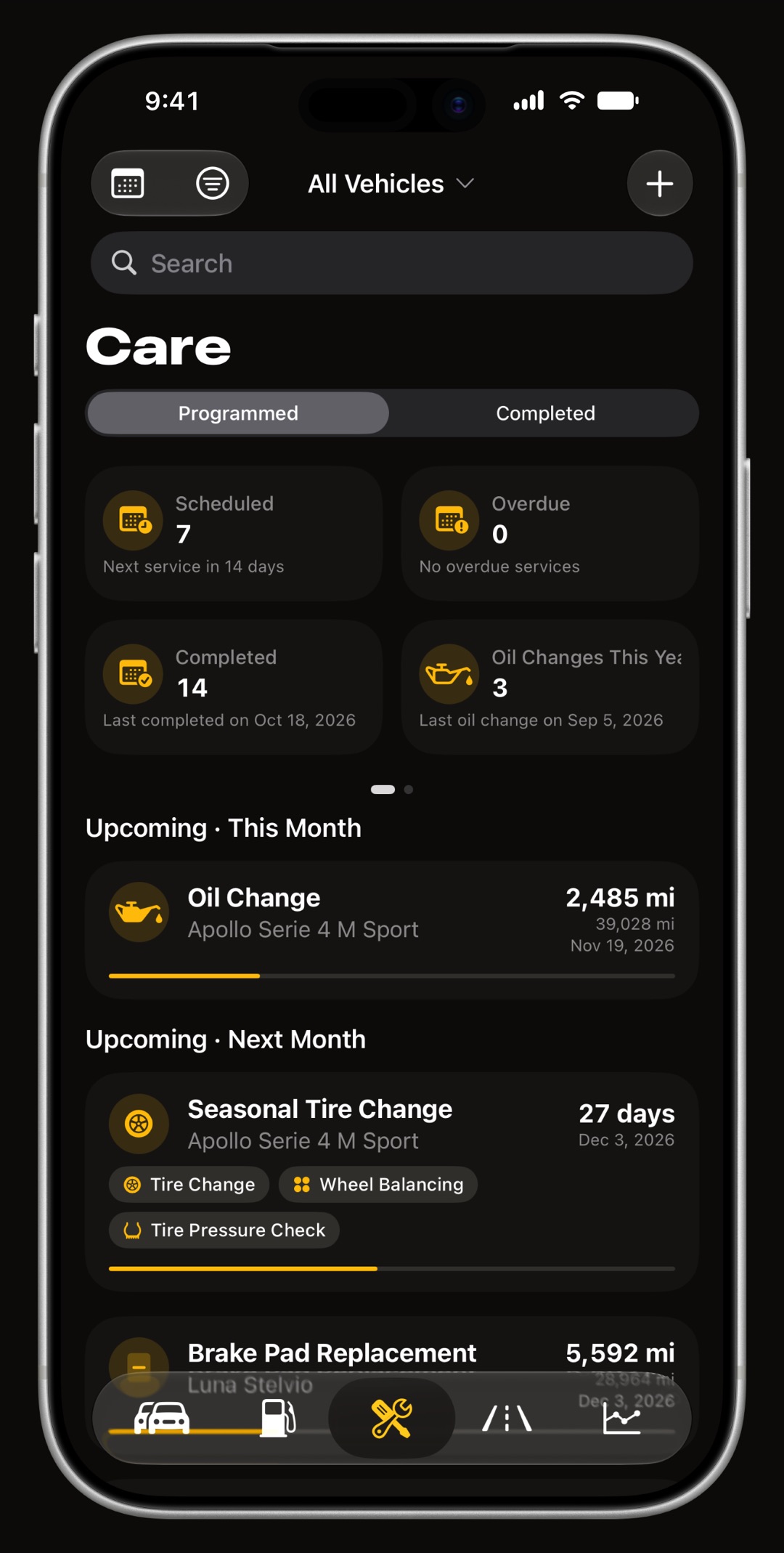
Keep the passed inspection report with your other car maintenance records: it is the proof a buyer or a registration office may ask for. WrenchTime, a car and motorcycle maintenance log for iPhone, schedules a mandatory inspection by date, the way a state sticker works, and sends a reminder a number of days before it is due that you choose.
An expired inspection usually blocks registration first. In New York, the NY DMV will not renew a registration unless its records show the vehicle passed the required emissions inspection within the last 12 months, or you bring a copy of the inspection report.
A failed inspection starts its own clock. In Virginia, the Virginia State Police require every defect to be corrected and the vehicle reinspected within 15 days of a rejection. In Texas, the Texas DMV still requires a passing inspection for every commercial vehicle and an emissions pass in the listed counties before registration.
Penalties for driving on an expired sticker vary by state and change with the rules, so check your own state's motor vehicle page rather than relying on a figure from another state.
Take one car, a 2022 sedan, and follow it through three states. The rules come from the state pages above; the car and the moves are an example.
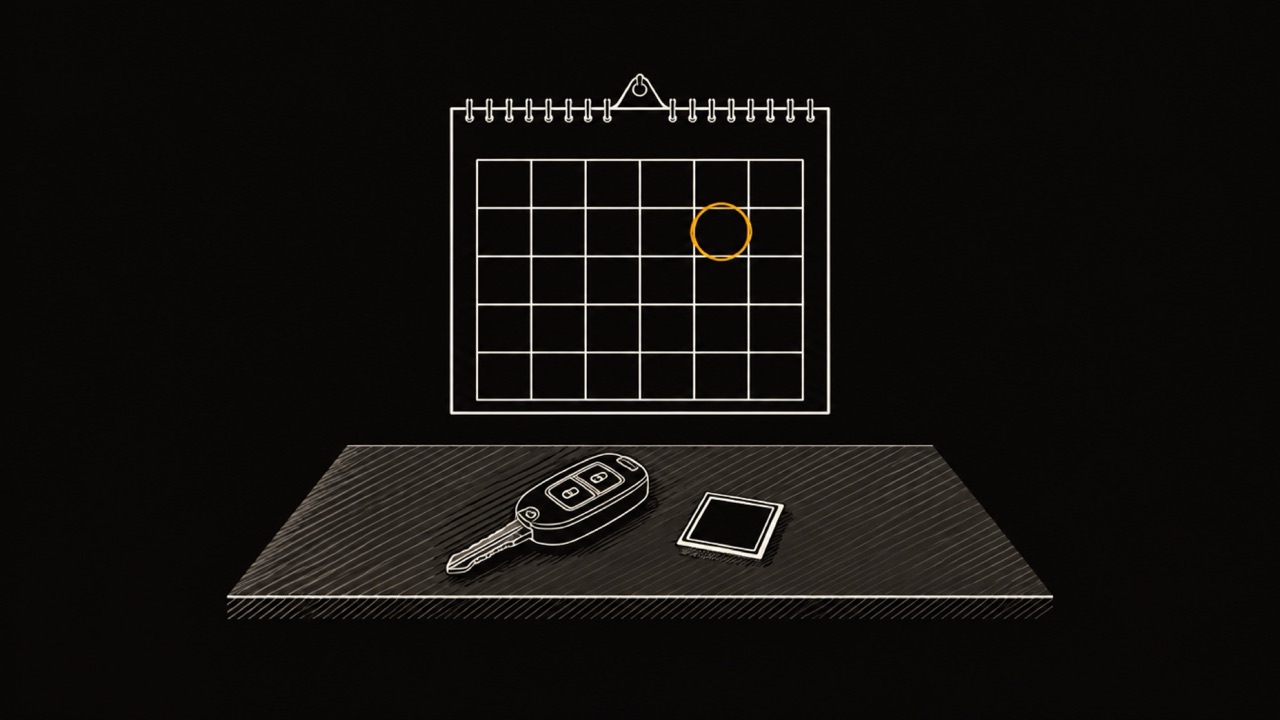
A state inspection is due on a date, so it belongs on a calendar with a reminder rather than in your memory. In WrenchTime, add it to the Care tab as a mandatory inspection on a recurring series every year or every two years, as your state requires. Complete it, attach the inspection report as a document, and the next one is already scheduled with its reminder.
If your state runs an OBD II emissions test, the WrenchTime Pro trouble code scan shows the readiness monitors, so you know before you go whether the car has finished its self-tests; the OBD-II code reader for iPhone guide covers it. The free version covers 1 vehicle and 2 maintenance entries a month, and the guide to schedule maintenance and reminders walks through the screens.
Around twenty states have no periodic safety or emissions inspection, including Florida, Michigan, Minnesota, Kentucky, Tennessee and Washington, according to Wikipedia's list edited November 2026. Some of them still require a VIN check when you register a car from another state, so check your DMV before you move.
A safety inspection checks brakes, tires, lights and signals, steering and suspension, glass and wipers, horn, mirrors and seat belts. New York requires at least 2/32 inch of tire tread. In emissions states an OBD II test also checks the check engine light and the results of the car's own self-tests.
Not for safety on personal vehicles: Texas ended non-commercial safety inspections on January 1, 2025 and now charges a $7.50 Inspection Replacement Fee at registration. Cars in eighteen listed counties, including Harris, Dallas, Travis and Bexar, still need a passing emissions inspection, and commercial vehicles still need an inspection.
Every other year, at registration renewal, when the DMV notice says "Smog Certification Required". Gasoline and hybrid cars eight model years old and newer skip it and pay a smog abatement fee; a 2020 model needs its first smog check in 2028. Electric cars and motorcycles are exempt.
Often not right away. California exempts the eight newest model years from the smog check, and New Jersey gives new vehicles five years before their first inspection. New York, by contrast, requires every registered vehicle to be inspected at least every 12 months, so check your own state's rule.
More from the blog
OBD2
What I/M readiness means on a scanner, every OBD2 readiness monitor and what it checks, how many can be incomplete at an emissions test, and the drive cycles that set them.
Used cars
A used car inspection checklist in the order of the visit, from paperwork to an OBD2 scan, with what each finding means and when to walk away.
Diagnostics
Every way to turn the light off, what each one erases, and why a reset can still fail an emissions test.
Free to download. One vehicle, real features, no ads. Your garage will thank you.
Download WrenchTime on the App Store